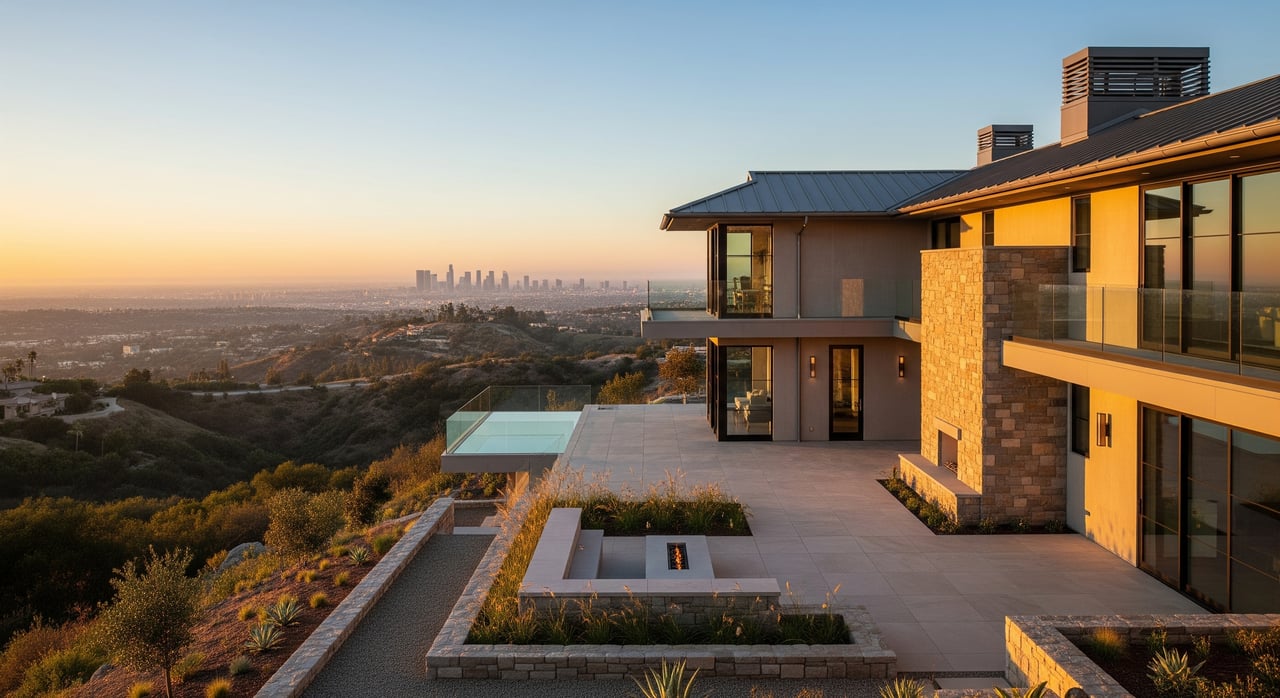
Wildfire season does not mean you have to give up great design. If you live in Los Angeles or the Antelope Valley, you balance style with safety every day. You want a beautiful home that also meets local fire rules and insurance expectations. In this guide, you will learn how to choose ember-smart materials and defensible-space layouts that protect your home and elevate curb appeal. Let’s dive in.
What wildfire zones mean in LA
Large portions of Los Angeles and many hillside, canyon, and high-desert communities fall into mapped Wildland‑Urban Interface or Very High Fire Hazard Severity Zones. If your property is in one of these areas, local requirements may shape your exterior material choices and landscaping. California Building Code Chapter 7A sets standards for ignition-resistant or noncombustible materials on key exterior elements. Local fire departments in the City and County of Los Angeles also enforce defensible-space and vegetation management rules, often up to 100 feet or to the property line.
Insurers and permit reviewers commonly look for Class A roofing, ember-resistant venting, and defensible-space compliance. Before major upgrades, confirm your status and exact requirements with your Authority Having Jurisdiction, such as the Los Angeles City or County Fire Department.
Roofs: Class A without losing character
Best Class A roof options
- Concrete or clay tile roofs deliver classic Mediterranean and Spanish looks while meeting top fire performance.
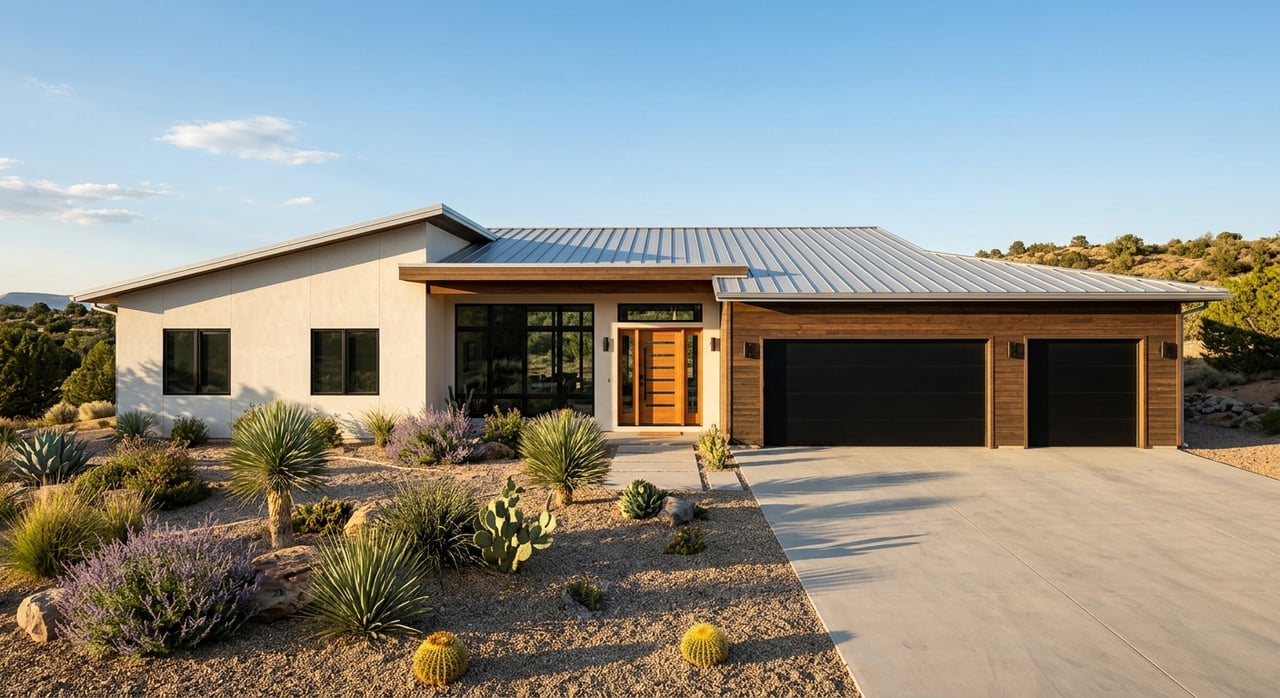
- Standing seam metal roofing offers modern lines and a wide color palette for contemporary and ranch styles.
- High-quality asphalt shingles rated Class A and fiber-cement shingles (where available) provide traditional curb appeal with strong fire resistance.
Smart roof details that disappear
Close gaps at eaves and along roof transitions where embers can settle. Add metal flashing at valleys and rake edges, and choose enclosed eaves to limit entry points. Protect skylights and verify that any roof penetrations align with local guidance. These subtle details hide in plain sight while boosting performance.
Simple roof care that matters
Keep gutters and roof valleys clear of leaves and pine needles. Replace cracked tiles or loose shingles promptly. A clean, intact roof surface gives embers fewer places to land and ignite.
Vents and openings that block embers
Vent upgrades that work
Attic and crawlspace vents are common ember pathways. Use corrosion-resistant metal mesh rather than plastic screens, and follow locally approved mesh sizes that typically range from about 1/16 inch to 1/8 inch. Consider listed ember-resistant or self-closing wildfire vents where approved. Enclosed or baffled soffit designs reduce direct ember travel into attic spaces.
Other penetrations to address
Install chimney spark arrestors with metal screens. Keep dryer vents, gas meters, and HVAC intakes free of nearby combustible materials. These small steps reduce ember exposure around everyday equipment.
Decks, stairs and railings with style
Materials that perform and look great
Choose noncombustible surfaces like porcelain or concrete pavers, composite pavers on pedestals, or aluminum decking systems for areas closest to the house. Dense hardwoods such as Ipe can improve performance when detailed and maintained correctly, though natural wood can still char. Some composite decking lines are tested for ignition resistance; always verify product data and local acceptance.
Design details that limit ember traps
Enclose undersides with fire-resistant materials or install noncombustible skirts to block debris and embers. Use connectors and fasteners that meet Chapter 7A requirements. Keep mulch and planting beds away from deck perimeters and stairs to reduce fuel contact.
Siding, eaves and windows that blend in
Cladding picks for the first impression
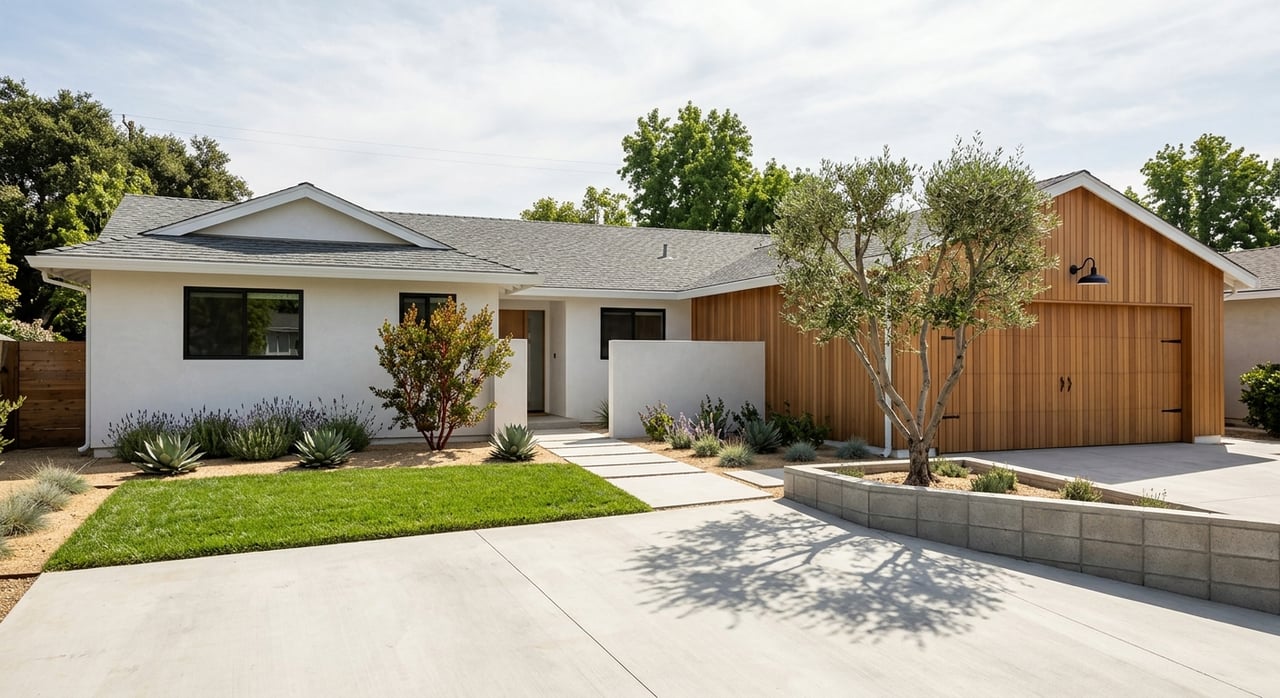
Prioritize noncombustible or ignition-resistant materials, especially on lower walls. Stucco, fiber-cement, masonry, and metal panels provide strong fire performance with a range of textures and colors. Avoid untreated wood siding and wood shakes in high hazard zones unless they meet applicable criteria.
Eaves and soffits that are quietly safer
Enclose eaves to reduce ember entry. Use ignition-resistant soffit materials and screen any required vents with approved metal mesh. The result looks clean and intentional while adding protection.
Glazing and gutters that do extra work
Dual-pane or tempered glazing helps windows withstand heat longer and resist breakage. Metal gutter guards and noncombustible gutter materials reduce debris buildup and ember accumulation. Keep gutters clean as part of routine home care.
Defensible-space design that looks amazing
The 0–5 ft immediate zone
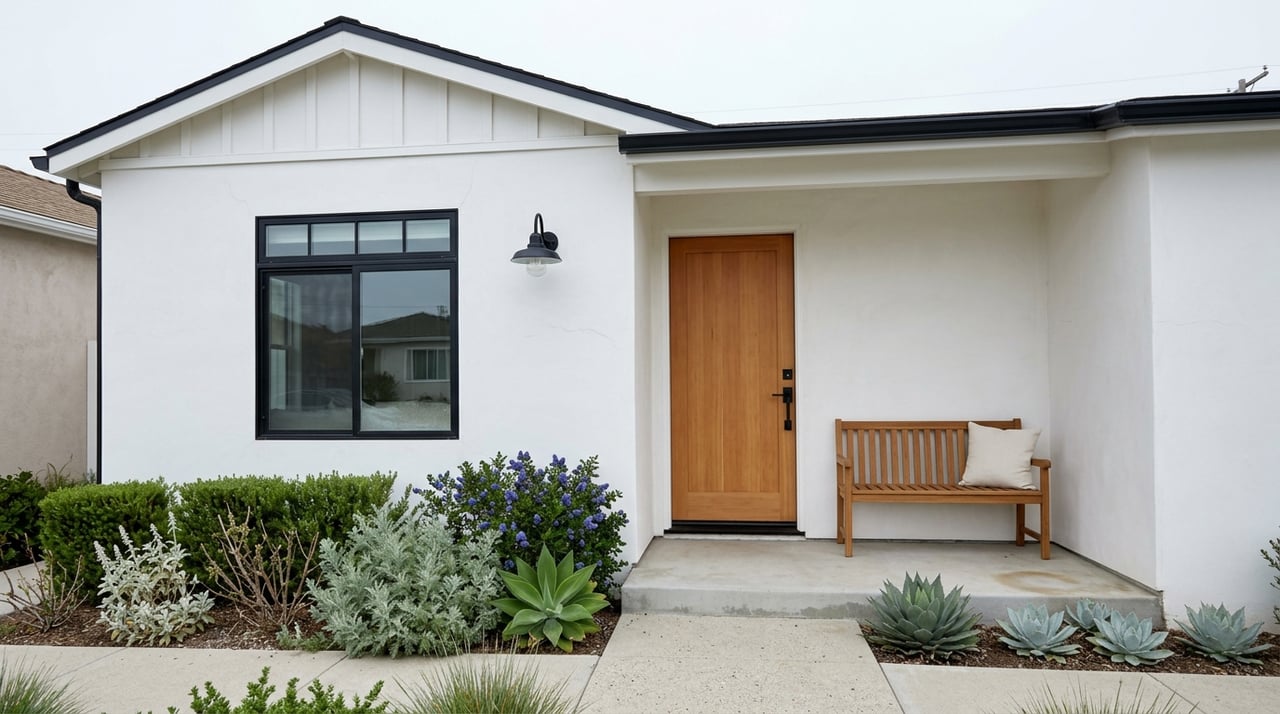
Create a noncombustible buffer right next to your home. Use hardscape like stone, pavers, decomposed granite, and decorative gravel. Limit wood mulch and combustible planters under eaves and around the foundation. Add low-water succulents and irrigated rock gardens for a soft, finished look.
The 5–30 ft home-defensible zone
Keep plants well spaced, pruned, and irrigated. Choose low-growing shrubs and remove dead material. Prune tree limbs to appropriate heights based on species and site. Aim for visual layers without connected fuels.
The 30–100 ft reduced fuel zone
Thin denser plantings and remove ladder fuels under trees. Create spacing between shrub groups to slow fire. On smaller urban lots, follow your local brush clearance rules for distances and maintenance.
Plant and mulch choices with purpose
Select low-sap, low-resin species that drop less litter. Many California native and Mediterranean plants can work well with thoughtful spacing and care. Use rock or mineral mulch close to structures, and reserve organic mulch for areas farther away.
Style-forward tactics that stay fire-smart
Material substitutions that keep the look
- Wood look, safer performance: fiber-cement siding and trim with realistic grain.
- Decks and patios: porcelain or concrete pavers that mimic wood plank textures.
- Rooflines: concrete or clay tile for timeless character, or warm-toned standing seam metal for modern curb appeal.
Concealment and color matching
Color-match metal vent covers, gutter guards, and mesh to your siding or trim for a seamless appearance. Enclose eaves with clean-lined soffits and hide vent screens behind decorative louvers. Low planter walls can double as ember barriers and design accents.
Accessory structures and outdoor living
Choose metal or other noncombustible components for pergolas and trellises near the house. Store propane tanks, firewood, and play structures away from the home. Use noncombustible storage for tools and cushions close to structures.
Your retrofit plan: a simple checklist
- Roof: Verify Class A assembly, repair damage, and keep valleys clear.
- Vents and openings: Install metal mesh, ember-resistant vents, and chimney spark arrestors.
- Gutters: Use noncombustible guards and clean regularly.
- Decks: Enclose undersides and select noncombustible or ignition-resistant surfaces near the house.
- Siding, eaves, windows: Upgrade vulnerable cladding, enclose eaves, and add dual-pane or tempered glazing where feasible.
- Landscaping: Build a 0–5 ft noncombustible zone, then space, prune, and irrigate plants from 5–100 ft.
- Maintenance: Set seasonal reminders to inspect vents, gutters, and roof valleys, and to prune and clear debris.
Maintenance calendar for LA climates
- Fall: Clear gutters and roof valleys after leaf drop; prune dead growth; check vent screens.
- Winter: Inspect deck skirts and understructures; confirm drainage around hardscape.
- Spring: Thin dense plantings, refresh rock mulch near the house, test irrigation.
- Summer: Spot-check for debris in corners and on roofs; keep the 0–5 ft zone clean.
Work with pros and verify compliance
Ask your contractors and designer direct questions. Does each product and assembly meet Chapter 7A or local code for your parcel? What mesh size and materials are specified for vents, and are they listed for wildfire use? Is the roof assembly truly Class A, including underlayment and flashing? For decks, what test data supports ignition resistance? For landscaping, what spacing and maintenance schedule will you follow to keep defensible space effective all year?
If you are weighing upgrades in the Antelope Valley, Santa Clarita, or anywhere across Los Angeles County, you do not have to choose between beauty and resilience. With the right plan, you can have both.
Ready to create a fire-smart look that fits your budget and timeline? Reach out to Lori Fischer for local guidance on projects that support your resale value while aligning with area standards. Schedule a Free Consultation today.
FAQs
Do Los Angeles wildfire zones require specific materials?
- Many parcels in mapped hazard zones follow California Building Code Chapter 7A and local fire department rules, which favor noncombustible or ignition-resistant materials for key exterior elements.
What is a Class A roof and why does it matter?
- A Class A roof is the highest fire rating for roof assemblies, offering the best protection from embers and heat; insurers and permitting staff often look for this standard.
How do I handle vents to keep embers out?
- Use corrosion-resistant metal mesh in the commonly recommended 1/16 to 1/8 inch range or listed ember-resistant vents, and confirm approvals with your local Authority Having Jurisdiction.
Can defensible space still look attractive on a small lot?
- Yes, use a 0–5 ft noncombustible buffer near the home, then layer low plantings, hardscape, and spaced shrubs to create visual interest without connected fuels.