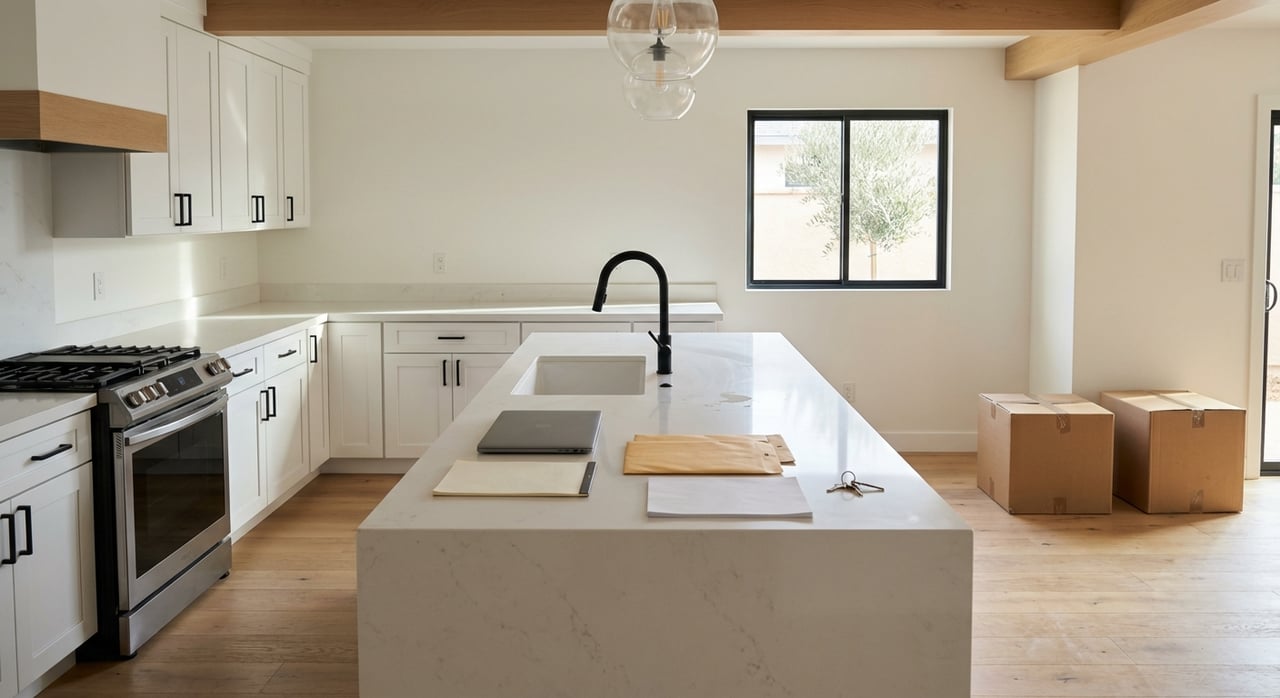
Trying to buy your next home while selling your current one in Palmdale can feel like solving a puzzle with moving pieces. You want a smooth handoff, not double payments or a rushed decision. With the right plan, you can line up timing, financing, and logistics so you move once and keep stress low.
In this guide, you’ll learn how the Palmdale market is trending, your three main sequence options, the financing tools that make them work, and the timelines and tactics that keep you on track. You will also see simple cost examples so you can compare options. Let’s dive in.
Palmdale market snapshot
Palmdale sits in a mid-priced range for Los Angeles County, and speed varies by neighborhood and season. Recent reports place the median or typical home value around the mid to low $500Ks. For example, Redfin’s January 2026 snapshot showed a median sale price near $517,500, while Zillow’s typical home value through December 2025 was near $495,000. Days to pending typically run in the low 40s in some seasons, with variation by submarket and month.
What this means for you: pricing and speed can shift month to month. If you are planning a buy and sell at the same time, timing and certainty matter. Build your plan around concrete dates in your contract and solid lender approvals.
Choose your sequence
There are three common ways to move from one home to the next. Each path has tradeoffs in cost, timing, and offer strength. Pick the path that fits your budget and risk comfort.
Sell first
- Pros: You avoid carrying two mortgages and you know your net proceeds for the next down payment.
- Cons: You may need short-term housing or a post-closing rent-back if your purchase is still in process.
A post-closing rent-back lets you stay in your home for a short, defined period after closing while you complete your purchase. In California, a rent-back creates a landlord-tenant relationship, so your agreement should clearly address rent, deposits, utilities, insurance, move-out condition, and remedies. Security deposits and tenant protections follow California law. For an overview of California landlord rules, review a neutral landlord law resource that explains security deposit limits and notice requirements in plain English.
Buy first
- Pros: You shop without pressure and can move once if your old home sells quickly.
- Cons: You may carry two payments and need cash or short-term financing to fund your down payment.
Common tools make this possible: bridge loans, a HELOC or home equity loan, a cash-out refinance, or a buy-before-you-sell program. Your lender will model how each affects your budget and underwriting.
Make your purchase contingent on your sale
- How it works: Your offer on the new home is conditional on selling your current home by a deadline.
- Seller response: Sellers often keep marketing the home and reserve the right to accept a stronger offer. A “kick-out clause” gives you a short window to remove your sale contingency if another buyer appears. If you cannot remove it in time, the seller can move forward with the other offer.
Contingent offers reduce your risk but can be less competitive. If you choose this route, set clear dates, show strong preapproval, and prepare to act quickly if a kick-out notice arrives.
Financing tools to bridge the gap
You have options to unlock equity and reduce timing risk. Here is how the most common tools work.
Bridge loan
A bridge loan is a short-term loan secured by your current home that releases equity for your next down payment before your sale closes. Bridge loans often carry higher rates and fees and run for a few months to a year. Lenders usually want to see your exit plan and may require solid reserves and credit. You can review a clear overview of bridge financing, typical costs, and requirements from a consumer lender education source like LendingTree.
HELOC or home equity loan
A HELOC is a revolving line of credit and a home equity loan is a lump sum, both secured by your current home. Upfront costs can be lower than a bridge loan, and HELOCs typically have variable rates. How lenders treat a HELOC draw in your debt-to-income calculation varies. For definitions and consumer protections, see the Consumer Financial Protection Bureau’s HELOC guidance.
Cash-out refinance
This replaces your current mortgage with a larger loan and returns cash for your next purchase. Program limits and seasoning rules can apply, and the math depends on your current rate and remaining term. An accessible explainer from a consumer credit source like Experian outlines how short-term financing fits into a buy-first plan.
Buy-before-you-sell programs
Several companies offer programs that advance equity, provide guaranteed backing, or purchase on your behalf so you can move first. These can reduce timing risk but come with program fees and eligibility rules. A neutral market roundup, like AnytimeEstimate’s overview of buy-before-you-sell options, can help you compare structure and costs so you enter conversations with the right questions.
Underwriting realities and lender coordination
Carrying two obligations affects how much you can borrow. Lenders calculate your debt-to-income ratio using your monthly debts. If you will hold your current mortgage and a bridge or HELOC during the purchase, plan for the lender to count those payments and possibly require several months of reserves. A practical borrower guide from a major lender explains how DTI and reserves work and what to ask during preapproval.
To keep underwriting smooth, coordinate early:
- Get full preapproval for your purchase and conditional approval for any bridge or HELOC.
- Confirm how the purchase lender will treat an open bridge or HELOC in your DTI.
- Gather income and asset documentation up front and ask about appraisal timing.
- Map the payoff order for closing so escrow knows exactly who gets paid.
- If you plan a rent-back, ensure the occupancy terms satisfy the buyer’s lender.
Bring these questions to your lender and agent:
- Will you count my current mortgage in DTI if I buy first, and will you require reserves?
- If I use a bridge or HELOC, how will you underwrite the payment or draw?
- Will a short rent-back be acceptable to your underwriting?
- What are my total fees and monthly costs with each option?
Timelines that keep you on track
Most financed escrows in California run about 30 to 45 days. Cash purchases can be faster, often around one to two weeks. Inspection and loan contingency periods are set in the contract and often run one to three weeks depending on negotiation. For a step-by-step overview of the escrow timeline, see a consumer-friendly California guide like LegalClarity.
Sample timelines:
- Sell-first with a short rent-back: list, go under contract, complete a 30 to 45 day escrow, then remain in the home for a short, written rent-back while you close on your purchase.
- Buy-first using a bridge or HELOC: secure conditional approval, make your offer, close on the new home, then list your old home and use proceeds to pay down the bridge or HELOC.
- Contingent purchase: include a well-defined sale contingency with clear dates and be ready to respond within 48 to 72 hours if a kick-out notice arrives.
Logistics, rent-backs, and short stays
If you sell first and need a gap solution, you have options. A rent-back can be clean if it is short, clear, and fully documented. In California, a post-closing rent-back brings in landlord-tenant rules, including security deposit limits and notice requirements, so the agreement should address deposits, utilities, insurance, and move-out documentation. For a plain-language overview of California landlord rules and deposit limits, consult a consumer landlord-law guide.
If you prefer to move out, consider extended-stay hotels, furnished corporate apartments, or short-term rentals, plus portable storage. If you plan to operate a short-term rental or any rental activity in Palmdale, the City requires proper business licensing and enforces transient occupancy tax for short stays. Review the City of Palmdale’s municipal FAQ to confirm registration and tax rules before you proceed.
Cost comparison examples
Here are simple examples to help you weigh buy-first versus sell-first with a short stay. These are illustrations only. Ask your lender for exact numbers.
Example A: Buy-first with bridge loan for two months
- Current mortgage PITI: $2,200 per month
- New mortgage PITI: $2,900 per month
- Bridge loan interest on $80,000 at 10%: about $667 per month
- Two-month carry total: roughly $11,534, plus any one-time bridge fees
Example B: Sell-first with one move-out and a short stay
- Corporate housing for 30 days: $3,000
- Storage unit: $250
- Extra moving or storage handling: $1,200
- One-month gap total: roughly $4,450
If your sale and purchase align within a few weeks, a rent-back could be simpler. If you value shopping time and one move, a buy-first plan can be worth the extra carry cost. Run the math for your price point and timeline.
Step-by-step plan to move smoothly in Palmdale
- Clarify your goals and must-haves
- Decide if you want one move, the highest net from your sale, or the strongest purchase position. Rank your priorities.
- Get pricing guidance and a net sheet
- Review current comps and an estimated seller net to understand your down payment and closing costs.
- Secure strong preapproval and model scenarios
- Ask your lender to model sell-first, buy-first, and contingent options. Confirm DTI treatment, reserves, and any bridge or HELOC terms.
- Choose your sequence and timeline
- Map your escrow windows, contingency deadlines, and target close dates. Build in buffer days.
- Prep the home you are selling
- Complete light repairs, deep clean, declutter, and stage for the widest appeal. Your listing window should align with your purchase plan.
- Line up logistics early
- Price out movers, storage, or short-term housing. If using a rent-back, negotiate clear terms and confirm lender requirements.
- Execute and communicate
- Keep your agent, lender, and escrow in sync. Confirm payoff instructions and occupancy details in writing.
- Final walkthroughs and move
- Schedule walkthroughs and utility transfers. Document move-out condition if you used a rent-back.
Local rules to keep on your radar
- Short-term rental or rent-back income may require city registration. Palmdale requires business licenses for rental activity and collects transient occupancy tax for short stays. Always confirm with the City of Palmdale before operating a rental or short-term stay.
- Rent-backs in California follow landlord-tenant rules. Security deposit limits and notice requirements apply. Use a written agreement that addresses deposits, insurance, utilities, move-out condition, and remedies for overstays.
Ready for a tailored plan? With 30+ years in the Antelope Valley, a steady hand on timelines, and the marketing reach of Coldwell Banker, you get a confident path from your current home to your next one. If you want a clear, low-stress plan designed around your priorities, connect with Lori Fischer today.
FAQs
What is the current price range for Palmdale homes?
- Recent reports show Palmdale’s median or typical home value in the roughly $495,000 to $525,000 range, with speed varying by neighborhood and season.
How long does escrow usually take in California?
- Most financed escrows run about 30 to 45 days, and cash purchases can close faster, often around one to two weeks, depending on the contract and parties.
What is a rent-back agreement in California?
- A rent-back lets you remain in the home after closing for a short period under a written agreement that follows landlord-tenant rules, including deposit and notice requirements.
What is a kick-out clause when I buy contingent on my sale?
- If the seller gets a stronger offer, a kick-out clause gives you a short window to remove your sale contingency; if you cannot, the seller can proceed with the other offer.
How do lenders view two mortgages or a bridge loan?
- Lenders typically count both payments in your debt-to-income ratio and may require reserves; ask your lender to model buy-first, sell-first, and HELOC or bridge scenarios.
What local rules should I know about short-term stays in Palmdale?
- Palmdale requires proper business licensing for rental activity and enforces transient occupancy tax for short stays, so confirm registration and tax obligations with the City.