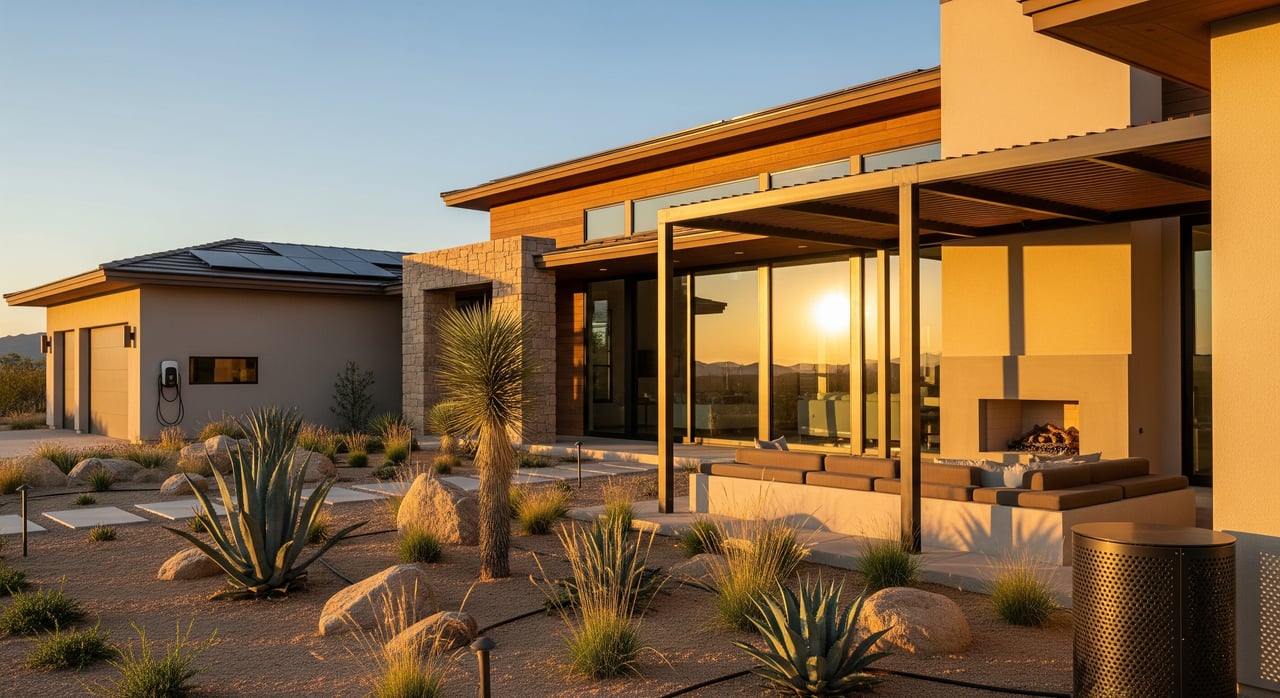
Thinking about prepping your Palmdale home for a spring sale? In our high-desert climate, the right winter projects can cut utility bills, boost comfort, and help your home stand out when buyers start touring. You want smart, practical upgrades that fit Antelope Valley weather and make a strong first impression.
In this guide, you’ll learn which desert-friendly improvements add the most value, what they cost, where to look for rebates, and how to plan your winter timeline so everything is market-ready by spring. Let’s dive in.
Why desert-friendly upgrades matter in Palmdale
Palmdale’s high-desert setting means hot, sunny summers, cool to cold nights in winter, and low rainfall. That combination creates two goals: keep heat out and cooling costs down in summer, and hold warmth on chilly nights.
The best upgrades here tackle solar heat, air leakage, and water use. You’ll see the biggest payoff from improvements that reduce daytime heat gain, tighten your home’s envelope, and convert thirsty landscaping to low-water designs. Buyers notice the difference in comfort and utility bills during showings.
Start with the building envelope
Tightening your home’s shell is one of the most cost-effective ways to improve comfort and lower energy use in a desert climate.
Attic insulation and air sealing
The attic is the top priority. Adding insulation and sealing gaps around light fixtures, ducts, and plumbing penetrations limits heat transfer into living spaces. In summer, that means cooler rooms with less AC runtime. In winter, it helps your home retain warmth overnight.
Radiant barriers
A radiant barrier under the roof deck or reflective attic insulation helps block intense solar radiation. Lower attic temperatures translate into lighter cooling loads, especially during afternoon peaks. Pair this with proper attic insulation for the best results.
Walls and ducts in unconditioned spaces
Blown-in wall insulation and sealing around electrical and plumbing penetrations reduce heat gain and drafts. If ducts run through the attic or garage, insulating and sealing them can prevent major energy loss before conditioned air reaches rooms.
Smarter cooling and heating
HVAC can be a major driver of comfort and costs in Palmdale. Upgrades that boost efficiency and control add real value.
Heat pumps and efficient AC
Modern high-efficiency central AC or cold-climate heat pumps deliver strong summer cooling and efficient winter heating. Many heat pumps outperform older gas furnaces on operating efficiency, especially when paired with a well-sealed home. Proper sizing using a professional load calculation helps avoid short cycling and uneven temperatures.
Duct sealing, zoning, and controls
Leaky attic ducts waste energy and reduce comfort. Sealing and insulating the duct system improves airflow and cuts losses. Zoning can direct heating and cooling where you need it most. A smart thermostat learns your schedule, adapts to big day and night swings, and gives you remote control.
Routine maintenance
Coil cleaning, refrigerant charge checks, and filter changes keep systems running efficiently. A pre-listing tune-up can boost performance, reduce noise, and show buyers a well-cared-for home.
Windows and shade strategies
Glass can be a major source of solar heat. Taming it pays off in the Antelope Valley.
High-performance windows
Double-pane windows with low-e coatings and argon gas fills cut heat gain in summer and reduce heat loss on cold nights. Use glazing with a lower Solar Heat Gain Coefficient on west and south exposures to tame afternoon sun without sacrificing natural light.
Exterior shade and window films
Exterior shading like awnings, pergolas, or shutters blocks heat before it enters the home. Spectrally selective window films can be a lower-cost way to reduce infrared heat on existing glass while keeping visible light.
Interior cellular shades
Honeycomb shades add insulation and can keep rooms more comfortable overnight. They are a quick, budget-friendly upgrade that reads well during showings.
Roof, attic ventilation, and solar
Palmdale’s strong sun opens two key opportunities: cool roof strategies and solar generation.
Cool roofs and ventilation
Light-colored roofing materials or reflective coatings reduce heat absorption and help keep the attic cooler. Combine a cool roof with proper attic insulation and balanced ventilation for a noticeable reduction in summer heat gain.
Solar PV and storage
High solar irradiance makes rooftop solar attractive. Solar can lower electric bills and, when paired with a battery, can provide resilience during outages. Resale value often benefits from owned systems, solid documentation, and clear confirmation of interconnection with the local utility. If you plan to sell, gather proof of ownership, warranties, production data, and any permits.
Water-wise landscaping and irrigation
With limited rainfall and periodic restrictions, water-smart landscapes are a win for day-to-day living and resale.
Xeriscaping basics
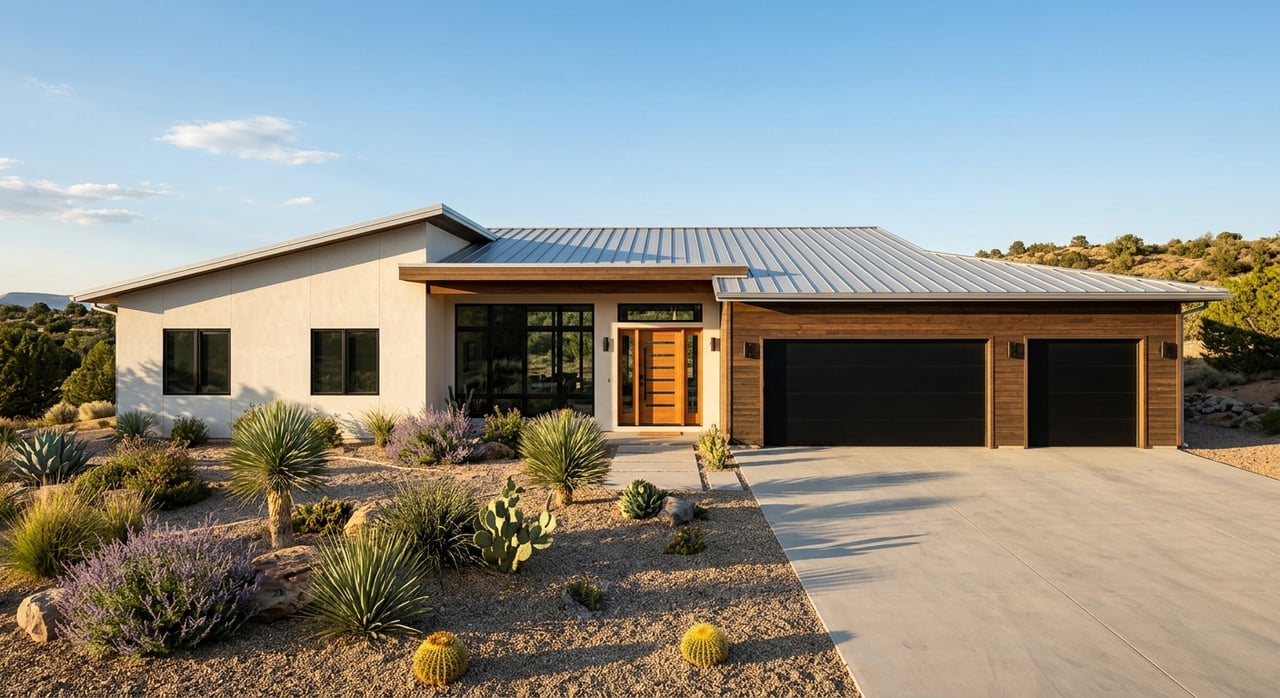
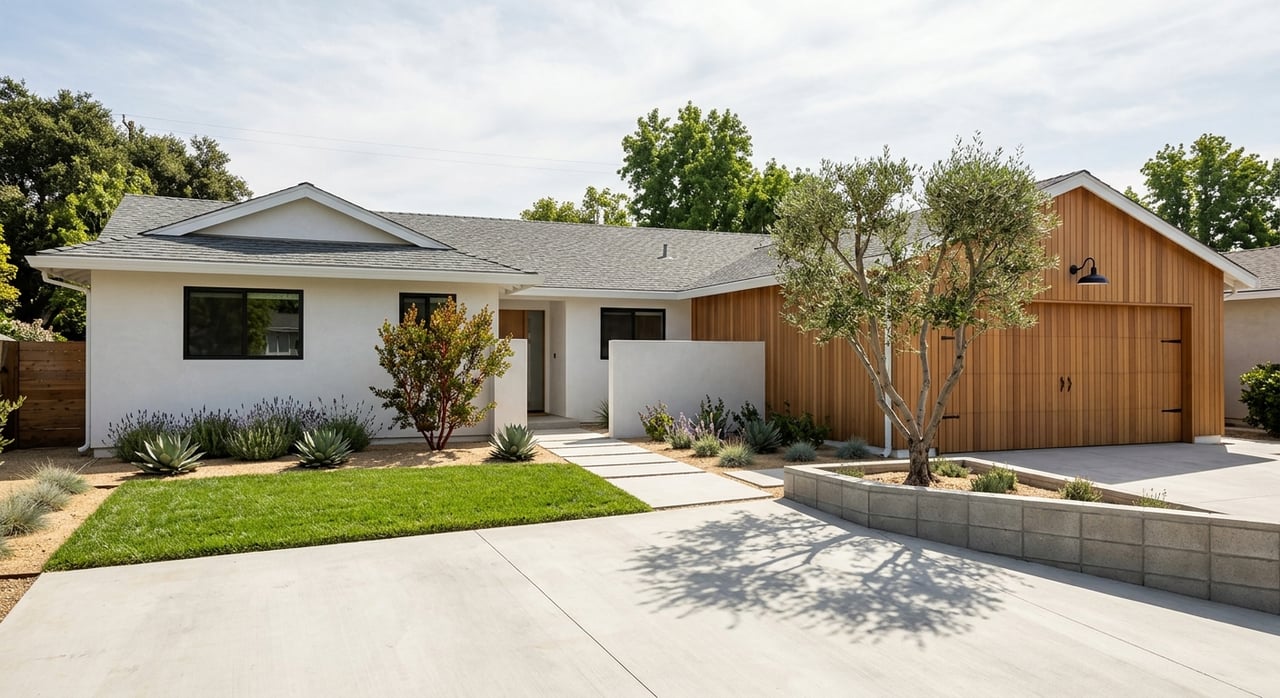
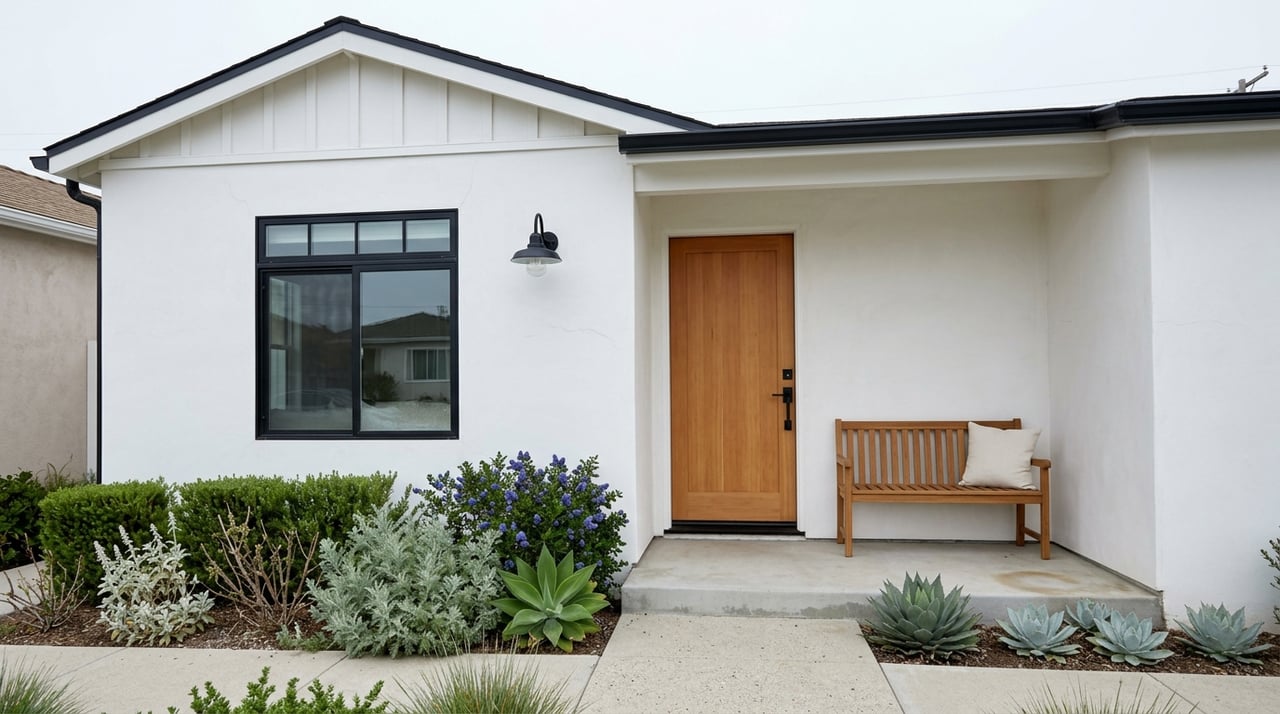
Replace thirsty turf with drought-tolerant and California-native plants, gravel or decomposed granite, and well-placed hardscaping. Group plants by water needs, and use mulch to retain soil moisture and reduce weeds. These landscapes look great year-round and avoid brown lawns during drought.
Drip irrigation and smart controllers
Drip and micro-spray systems target roots and cut overspray. Smart controllers that use weather or soil moisture data help avoid overwatering. Many local water agencies offer rebates for turf removal and smart controllers, which can shorten payback periods.
Greywater and right-sized capture
With limited rainfall, large rainwater systems may deliver modest returns. A laundry-to-landscape greywater setup can supplement irrigation if allowed by local codes. Always verify permitting requirements before starting.
Plumbing and hot water upgrades
Indoor water savings are quick wins that buyers appreciate.
High-efficiency fixtures
Low-flow toilets, faucets, and showerheads reduce daily water use at low cost. These upgrades are simple, fast, and can often be completed in a weekend.
Heat pump water heaters
Heat pump water heaters use far less energy than standard electric units and can outperform many gas models on efficiency. Insulating hot water pipes and considering a point-of-use circulation system can reduce wasted water while you wait for hot water at distant taps.
Costs, incentives, and permits in Palmdale
Every home is different, but these rough ranges can help you plan and budget for winter work.
Typical project ranges and timelines
- Duct sealing and HVAC tune-up: Lower cost, usually completed in days to a week.
- New high-efficiency AC or heat pump: Mid to high cost, with procurement and installation often taking a few weeks.
- Attic insulation and air sealing: Moderate cost, typically a few days to a week.
- Whole-home window replacement: Higher cost, installation can take several weeks.
- Cool roof coating or reroof: Moderate to high cost, timeline depends on scope.
- Solar PV system: Moderate to high cost, often several weeks to a few months including permits and interconnection.
- Xeriscaping and turf removal: Low to moderate cost, can be phased over weeks.
Winter can be a good time to schedule work due to contractor availability, so your home is photo-ready by early spring.
Incentives and rebates to check
- Local utilities: Electric and gas providers may offer rebates for heat pumps, efficient HVAC, water heaters, and other electrification projects.
- State programs: California energy-efficiency and electrification incentives can apply to HVAC and water heating.
- Water agency rebates: Turf removal, smart irrigation controllers, and high-efficiency appliances are often eligible for local water district incentives.
- Federal tax credits: Many energy projects, including heat pumps, solar, and battery storage, may qualify for federal credits.
Confirm program availability and eligibility before you buy. Some rebates require pre-approval.
Permits, code, and disclosure
Many improvements require permits, including HVAC replacements, solar PV, major electrical or plumbing work, and structural roof changes. California Title 24 energy code may apply to certain alterations. Smaller upgrades like window film or low-flow fixtures typically do not require permits, but verify with the local building department.
If you plan to sell, disclose installed systems and provide documentation. Buyers value a binder that includes permits, warranties, manuals, service records, and any rebate or tax credit paperwork. For solar, clearly state whether the system is owned or leased.
Resale value and showing appeal
Energy-efficient and water-wise features are increasingly important for buyers in hot, dry markets. Visible, easy-to-understand upgrades can help your listing stand out and may support stronger offers.
Prioritize projects buyers can see and feel during a showing. A cool, quiet home with clean ductwork, balanced airflow, and attractive drought-tolerant landscaping creates confidence. Clear documentation of upgrades and utility savings reinforces perceived value.
Quick wins before listing
- HVAC tune-up and filter replacement
- Attic air sealing and insulation top-up if levels are low
- Cellular shades on sunny exposures
- High-efficiency showerheads and faucets
- Mulch refresh, a few well-chosen native plants, and tidy drip zones
Your winter project checklist
- Get assessments: Schedule an energy audit and a water-use review if available.
- Pick your top 1 to 3 projects: Focus on the best mix of visibility, comfort, and payback.
- Confirm incentives: Check rebates and pre-approval steps before purchasing.
- Line up permits: Apply early for any work that requires inspection.
- Select contractors: Get at least three bids, verify licenses and insurance, and ask for desert-climate experience.
- Document everything: Keep permits, receipts, warranties, and before-and-after utility data.
- Plan your timeline: Aim to complete work before listing photos and launch.
Ready to talk through the best plan for your home and timeline? With long experience in the Antelope Valley, we can help you prioritize projects that resonate with local buyers and prepare a smooth path to market. Reach out to Lori Fischer to discuss your goals and next steps.
FAQs
What desert-friendly upgrades add the most value in Palmdale?
- Focus on attic insulation and air sealing, efficient HVAC or heat pumps, exterior shading and window improvements, a cool roof strategy, solar with clear documentation, and drought-tolerant landscaping.
Do heat pumps work well on cold Palmdale nights?
- Modern cold-climate heat pumps are designed to provide efficient heating in cool to cold conditions; ask your contractor to size properly and discuss backup strategies for rare very cold snaps.
Will xeriscaping really cut my water bill?
- Many turf-to-xeriscape conversions can reduce outdoor water use by 50 percent or more, with savings depending on design, plant choices, and irrigation setup.
Does solar always increase resale value in the Antelope Valley?
- Solar often improves buyer appeal, but the premium depends on system ownership, documentation, local rates, and interconnection terms; owned systems with records tend to perform best at resale.
Which projects are fastest to complete before a spring listing?
- HVAC tune-ups, attic air sealing and insulation top-ups, cellular shades, low-flow fixture swaps, and targeted landscape refreshes are relatively quick and show well.
What paperwork should I give buyers to support my upgrades?
- Provide permits, warranties, service records, manuals, rebate paperwork, and any before-and-after utility data; include clear solar ownership details if applicable.