Wondering if Simi Valley gives you the suburban lifestyle you want without pushing you too far from Los Angeles or Ventura County? That is a common question, especially if you are balancing space, commute options, housing costs, and day-to-day convenience. The good news is that Simi Valley has a pretty clear identity, and understanding it can help you decide if it matches your priorities. Let’s dive in.
What Simi Valley feels like
Simi Valley is an established suburban city in southeastern Ventura County, next to the San Fernando Valley and about 37 miles northwest of downtown Los Angeles. According to the City of Simi Valley at a glance, the city has 125,778 residents and a 72.9% owner-occupied rate.
Those numbers matter because they point to a community with a strong ownership base and a long-established residential pattern. If you are looking for a place that feels primarily suburban rather than urban, Simi Valley fits that description well.
Housing stock in Simi Valley
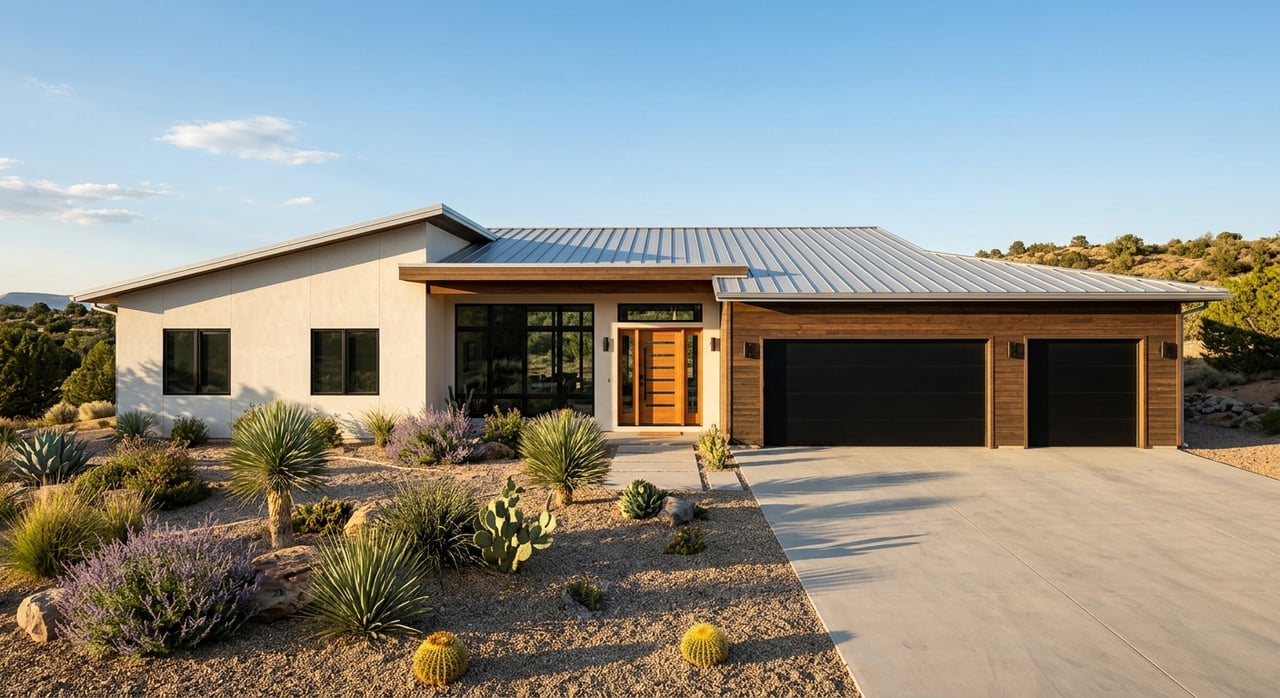
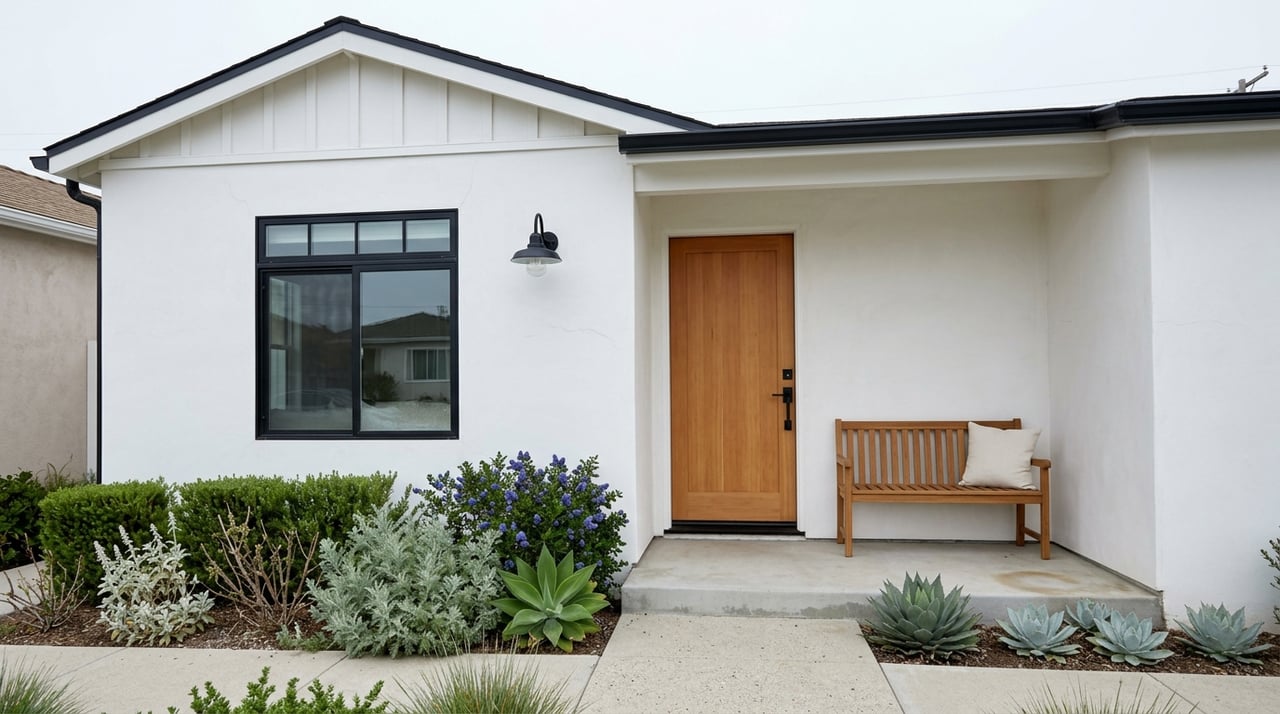
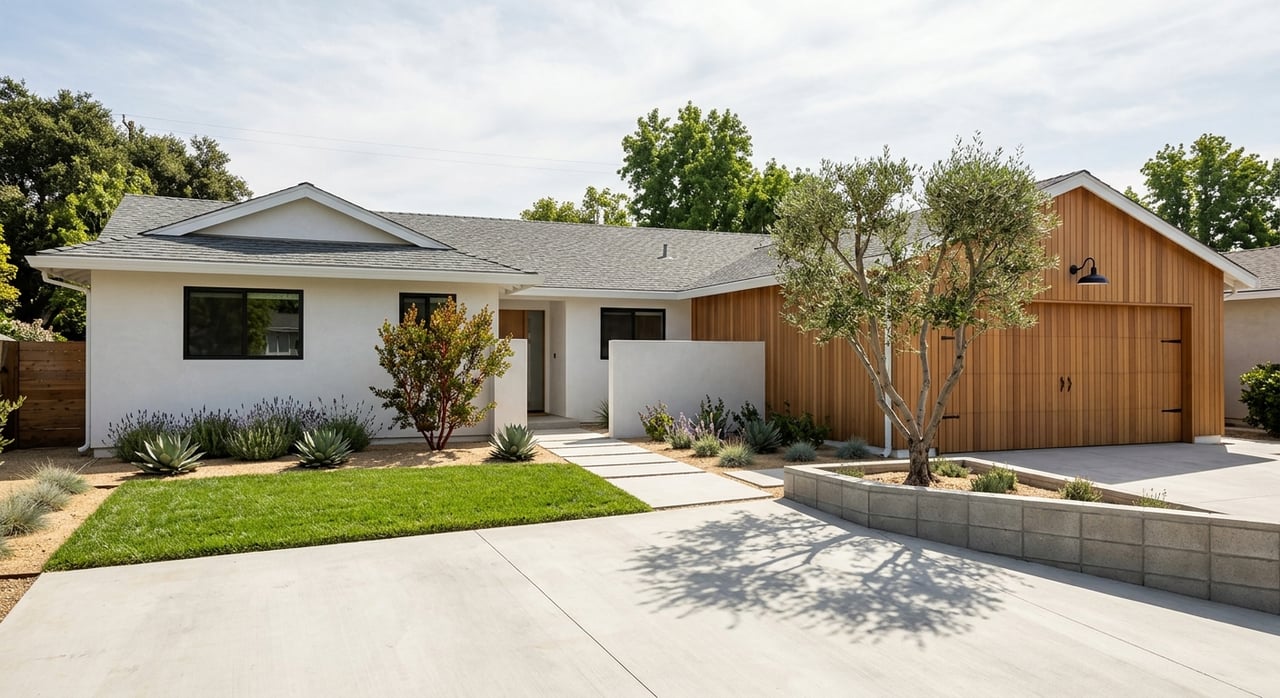
One of the biggest things to know about Simi Valley is that it is mostly a detached-home market. The city’s planning documents show that residential land use makes up more than 71% of the city’s land area, and single-family detached homes account for 91.2% of residential land use area.
In practical terms, that means your home search will likely focus first on detached houses. Attached homes, townhomes, and apartments do exist, but they tend to be found in more specific pockets rather than defining the city as a whole.
Lot sizes can vary a lot
Simi Valley is not one-size-fits-all when it comes to lot size. The city’s General Plan outlines residential categories ranging from estate lots with a 1-acre minimum to very low density lots with a 20,000-square-foot minimum, along with more typical suburban low-density neighborhoods and some moderate-density areas.
That range gives you options. If you want more yard space, you may find neighborhoods that better support that goal. If you are open to a smaller lot or attached housing, there are also areas where that may be possible.
Some neighborhoods show the range clearly
The Runkle Canyon residential project information offers a helpful snapshot of what that range can look like. It includes custom homes on minimum 20,000-square-foot estate lots, detached homes averaging about 7,700 square feet in lot size with a 5,500-square-foot minimum, and senior condominiums.
On the other hand, older mixed-density areas such as Old Town and Kadota Fig include detached and attached homes, low-rise townhomes, and garden apartments. That mix is useful if you want more flexibility in price point or home style.
Price position compared with nearby suburbs
If you are comparing Simi Valley with nearby options, it helps to understand where it sits in the regional price mix. The city reports a median owner-occupied home value of $823,800, while Census comparison data show Moorpark at $894,300, Thousand Oaks at $991,600, and Santa Clarita at $784,700 on the same measure.
That makes Simi Valley something of a middle-ground choice. It is not the lowest-priced option in the group, but it is also below some nearby Ventura County suburbs. For many buyers, that makes it worth a closer look when weighing budget against location and home style.
Commuting from Simi Valley
Commute patterns are a major part of whether Simi Valley is the right fit. The city’s average commute time is 27.1 minutes, according to the City of Simi Valley, but your real experience will depend on where you work and when you travel.
Highway 118 runs through the city and connects with Highways 23 and 101 as well as I-5, I-405, and I-210. That gives you several east-west and regional connection points, which can be helpful if you work in the San Fernando Valley, Los Angeles, or other parts of Ventura County.
Transit options are stronger than some buyers expect
Simi Valley is still a car-oriented suburb, but it does offer multiple transit options. Simi Valley Transit operates routes 10, 20, and 30, and Route 10 connects with LA Metro in Chatsworth. Ventura County Transportation Commission InterCity service also links Simi Valley with Moorpark, Thousand Oaks, Camarillo, Newbury Park, and Santa Susana Knolls.
Rail access is another plus. The Simi Valley Metrolink station at 5050 Los Angeles Ave. offers free parking with 569 spaces and service eastbound to Chatsworth, Van Nuys, Glendale, and Los Angeles Union Station, with westbound service to Moorpark, Camarillo, Oxnard, and Ventura.
Shopping and daily convenience
For everyday errands, Simi Valley has a practical retail layout rather than a concentrated urban core. Planning documents identify Simi Valley Town Center as the city’s primary regional shopping center, along with major commercial areas such as Mountain Gate Plaza, Royal Plaza Shopping Center, Simi at the Plaza, El Paseo Simi, Tapo Plaza Shopping Center, and Civic Center Plaza.
Commercial uses also cluster along key corridors including Los Angeles Avenue, First Street, Tapo Canyon Road, Tapo Street, Cochran Street, Yosemite Avenue, and Madera Road. For you, that usually means daily convenience depends a lot on how close your home is to the retail corridor that serves your routine.
Parks and open space are a major draw
If outdoor access matters to you, Simi Valley stands out. According to the city’s parks and recreation information, Rancho Simi Recreation and Park District operates 50 parks and has preserved more than 5,600 acres of open space for hiking, biking, horseback riding, and wildlife preservation.
That gives the city a strong open-space identity. Buyers who want room to get outside, enjoy trails, or live near parkland often see this as one of Simi Valley’s biggest strengths.
Is Simi Valley a fit for your lifestyle?
Simi Valley tends to work best if you want a mature suburb with a mostly detached housing stock, commuter access in several directions, and strong park and open-space access. It is generally better suited to buyers who value yard space, residential stability, and a suburban layout than to buyers who want dense, highly walkable urban living.
It is also worth noting that city planning documents describe Simi Valley as virtually built out. That means future housing supply is more likely to come from infill, redevelopment, or specific-plan areas rather than large new subdivisions.
Simi Valley may be a good fit if you want:
- A predominantly single-family suburban environment
- A mix of lot sizes, including some larger-lot options
- Access to the 118 corridor and regional commuter routes
- Metrolink as a possible commuting tool
- Established retail corridors for daily errands
- Strong park and open-space access
Simi Valley may be less ideal if you want:
- Dense urban living
- A highly walkable, city-style environment
- Large amounts of brand-new greenfield housing inventory
- A market defined mainly by condos and apartments
Questions to ask before you buy in Simi Valley
Even if Simi Valley sounds appealing, the right home still comes down to your daily routine. A few simple questions can help you narrow the search.
How will you actually commute?
Do not just look at the map. Ask how long the real door-to-door commute is from a specific address using the 118, Metrolink, or local transit options.
What type of housing do you want most?
Think about whether you want a detached home, townhome, condo, or a mixed-density setting. Because detached homes dominate the city, your search strategy may change depending on your answer.
How much lot size matters?
Be honest about how much outdoor space you want and how much maintenance you are comfortable with. In Simi Valley, lot size can range from smaller suburban parcels to estate-style settings.
Do you want retail access or more open space nearby?
Some buyers prefer being closer to Town Center or major shopping corridors. Others would rather prioritize proximity to parks, trails, and preserved open space.
The bottom line on Simi Valley
Simi Valley is best described as a suburban, mostly detached-home city with meaningful commuter connections and one of its strongest lifestyle advantages in parks and open space. It is not trying to be a dense urban market, and that clarity can actually help you make a smarter decision.
If your goal is to find a home that supports everyday suburban living with access to regional job centers and outdoor amenities, Simi Valley may be well worth considering. If you want help comparing Simi Valley with other nearby markets and figuring out what best fits your goals, Lori Fischer can help you sort through the options and move forward with confidence.
FAQs
Is Simi Valley considered a suburban city?
- Yes. City planning and land use patterns show Simi Valley is a predominantly residential, suburban city with a strong concentration of detached homes and open space.
Is Simi Valley mostly single-family homes?
- Yes. City planning documents state that single-family detached homes account for 91.2% of residential land area, so detached housing is the dominant pattern.
Is Simi Valley good for commuters?
- Simi Valley offers access to Highway 118, connections to several major freeways, local bus service, and Metrolink service to places including Chatsworth, Van Nuys, Glendale, and Los Angeles Union Station.
Is Simi Valley more affordable than Thousand Oaks?
- Based on the Census figures cited in the research, Simi Valley’s median owner-occupied home value is lower than Thousand Oaks and Moorpark, but higher than Santa Clarita.
Does Simi Valley have parks and open space?
- Yes. Rancho Simi Recreation and Park District operates 50 parks and has preserved more than 5,600 acres of open space for recreation and conservation.
Is Simi Valley a good fit if you want brand-new subdivisions?
- Not usually as a primary draw. City planning documents describe Simi Valley as virtually built out, so future supply is more likely to come from infill, redevelopment, or specific-plan areas than large new greenfield subdivisions.